
Combat Mechanics
COMBAT MECHANICS
Combat combines unit statistics, terrain, positioning, stack efficiency and recurring combat rounds. How an engagement begins can change which values each formation uses during the fight.
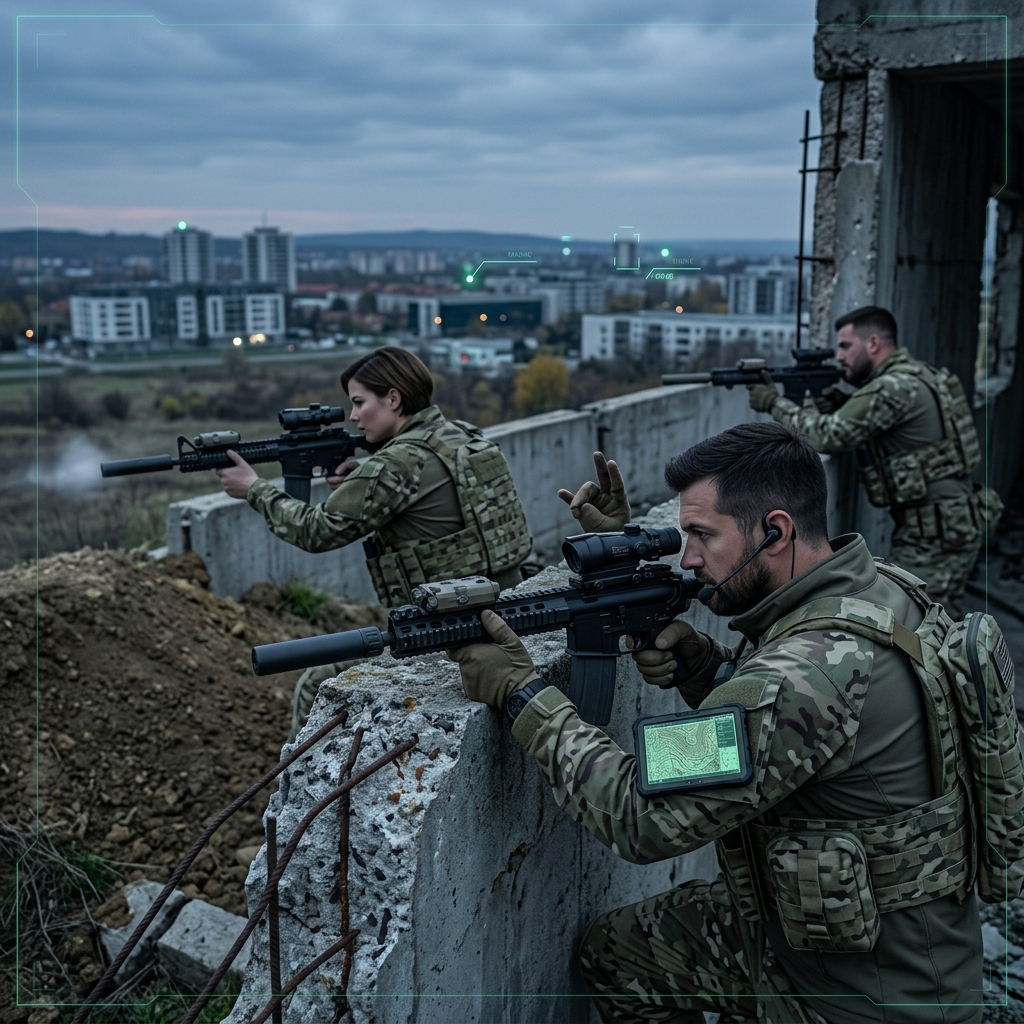
How Two Armies Meet Matters
Meeting Engagement
When two armies engage outside a defended province center, both sides can use offensive and defensive values as they exchange attacks and counter-attacks.
Attack / Defense
When a defending army is entrenched on a province center, the attacker conducts the offensive action while the defending army uses its defensive statistics.
Movement Encounter
Armies moving into each other can automatically engage when they enter combat range, even when neither began with a direct attack order.
Blocked Movement
A formation ordered through a hostile formation engages that enemy before continuing toward its original destination.
The Hourly Combat Cycle
Raw Stats Are Only The Starting Point
Ground Matters
Terrain can modify attack, defense, movement speed, hit points and sight range.
Hold The Center
Units positioned on a province center automatically receive defensive entrenchment.
Recover Strength
Ground and air units can recover in accessible cities, while naval units recover in coastal waters.
Break Contact
Eligible ground and naval forces can retreat toward friendly territory at a hit-point cost.
More Units Do Not Always Mean More Strength
The combat system applies stacking penalties to simulate command, logistics and fire-and-maneuver limits. Oversized stacks can suffer diminishing or even negative returns.
A stack within its efficient limit receives useful combat contribution from the units added to it.
Additional units can begin contributing less value as the stack grows beyond its optimal size.
Severe stacking penalties can cause additional units to stop increasing strength or even weaken overall stack performance.