
Detection & Radar
DETECTION & RADAR
Reconnaissance in Conflict of Nations is built around two separate systems: visual Sight Range and radar detection. Understanding the difference determines what you actually know about an approaching force.
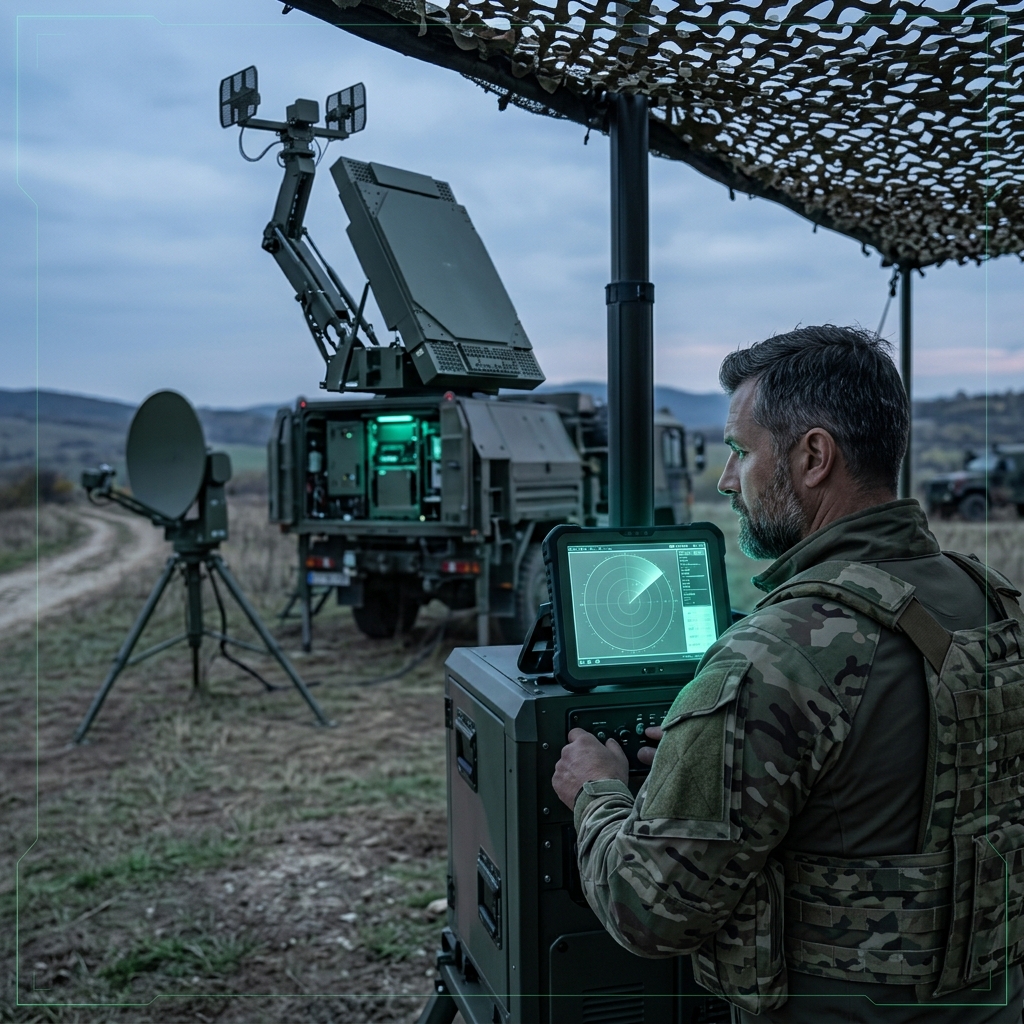
Two Systems. Different Information.
Sight Range
Sight Range lifts fog of war around a unit and can visually reveal hostile or neutral armies. Every unit has its own sight range. Camouflage, stealth and scouting capabilities affect what can be identified.
Radar
Radar searches for radar signatures within a specified range. A detected formation appears as a radar contact rather than giving the same information as direct visual observation.
What Radar Is Looking For
Radar signatures are defined by both a target type and a signature size. The radar unit must be able to detect the correct signature.
High-signature contacts can be detected by radar systems capable of detecting that target type and signature level.
A radar capable of detecting LOW signatures of a target type can also detect HIGH signatures of that same type.
Detection Does Not Always Mean Identification
Radar Blip
Radar can reveal an approximate contact and its broad signature class without providing complete unit identification.
Stealth
Stealth units can remain hidden from normal detection unless the observing side possesses the correct Reveal Stealth capability or the hidden unit enters combat.
Reveal Stealth
Specialized units can gain features that reveal stealth targets of particular air, ground or naval categories inside their sight range.
From Unknown Contact To Confirmed Threat
Scan The Area
Radar or sight-range coverage creates the first layer of reconnaissance.
Find A Contact
A valid signature inside radar range appears as a contact on the map.
Gain Better Intel
Visual scouting or other intelligence can reveal more information than the radar blip alone.
Position The Counter
Use the detected contact to prepare interception, defense or avoidance.